Research Themes
- A novel mechanism of macrophage activation
- Factors that promote scarless wound healing
- Evolution of ascidian globin genes
- Ectopic ATP synthase in ascidian oocyte cytoplasm: function and significance
- Molecular mechanisms of neural tube formation in ascidians and vertebrate evolution
- Cellular stress responses
1. A novel mechanism of macrophage activation
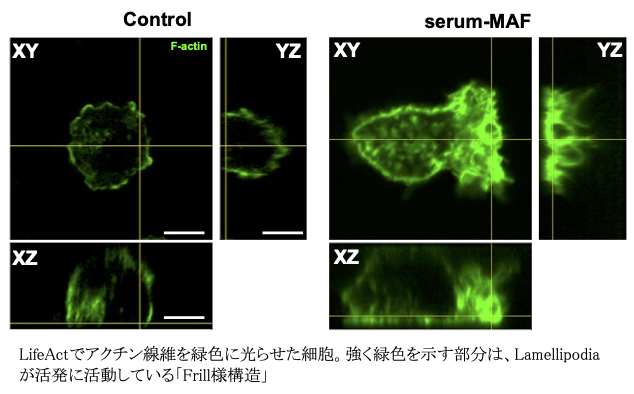
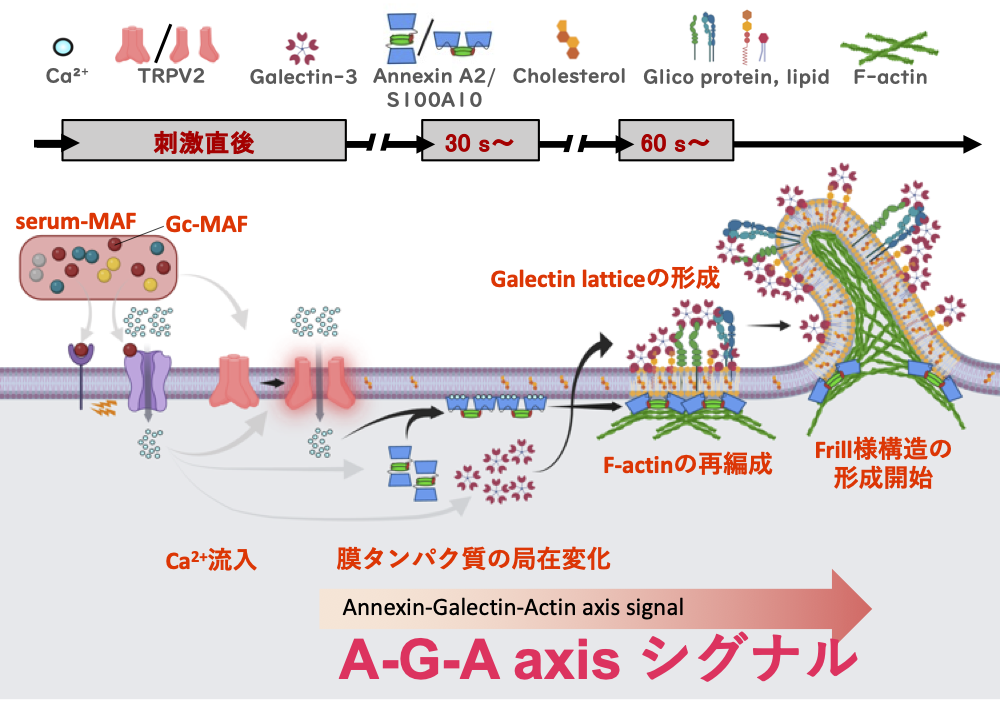
Using our quantitative assay system for rapid and accurate measurement of macrophage phagocytosis, we are investigating signal transduction pathways that regulate cytoskeletal remodeling and cell activation. Our goal is to define previously unrecognized activation programs that occur on the timescale of seconds to minutes.
2. Factors that promote scarless wound healing
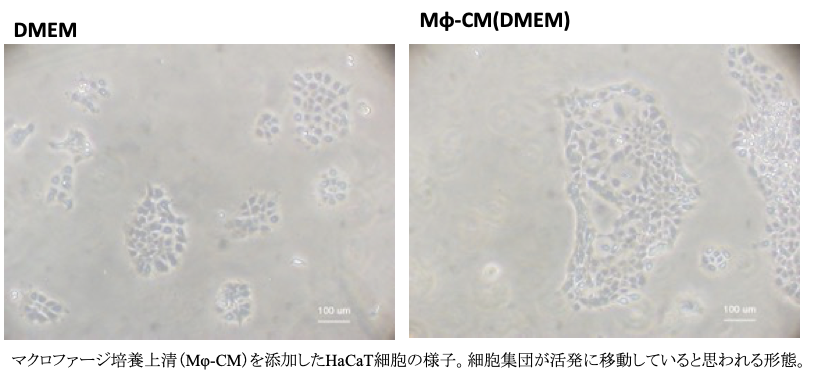
We study how immune-cell-derived factors influence keratinocyte migration and adhesion, and how these effects can be leveraged to improve tissue repair and reduce scarring.
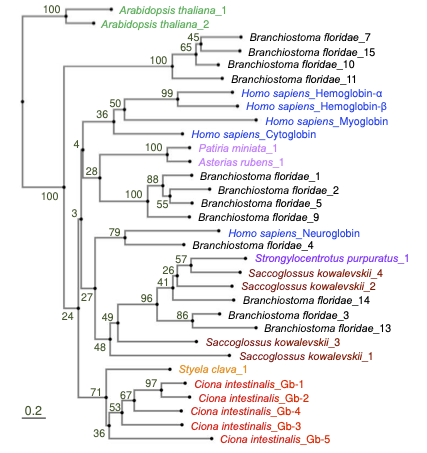
3. Evolution of ascidian globin genes
We analyze globin gene evolution in ascidians and related chordates, integrating comparative genomics and functional perspectives. This theme has also supported student research activities and outreach projects.
4. Ectopic ATP synthase in ascidian oocyte cytoplasm: function and significance
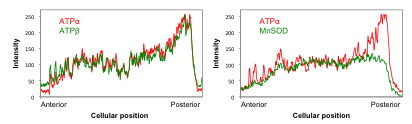
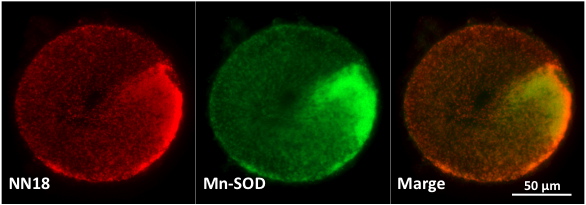
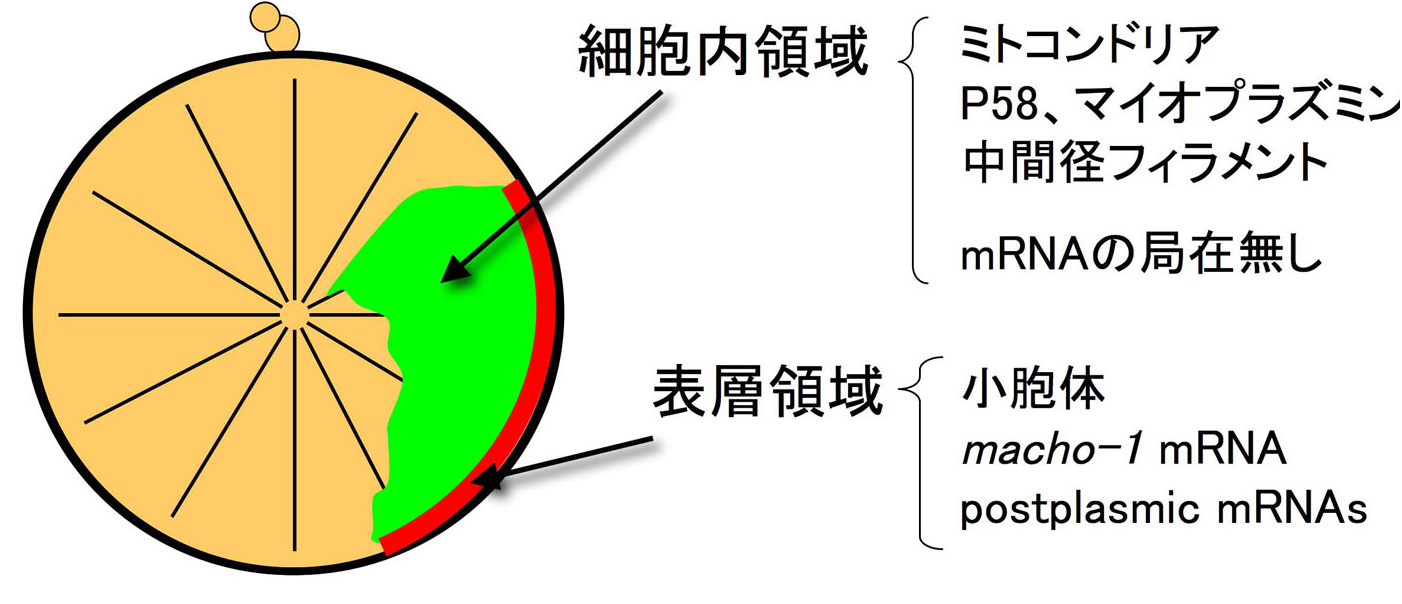
Mitochondria are central to cellular energy metabolism, and ATP synthase is typically localized to the inner mitochondrial membrane. We investigate atypical (ectopic) localization of ATP synthase components in ascidian oocytes and explore their potential roles during early development.
5. Neural tube formation in ascidians and vertebrate evolution
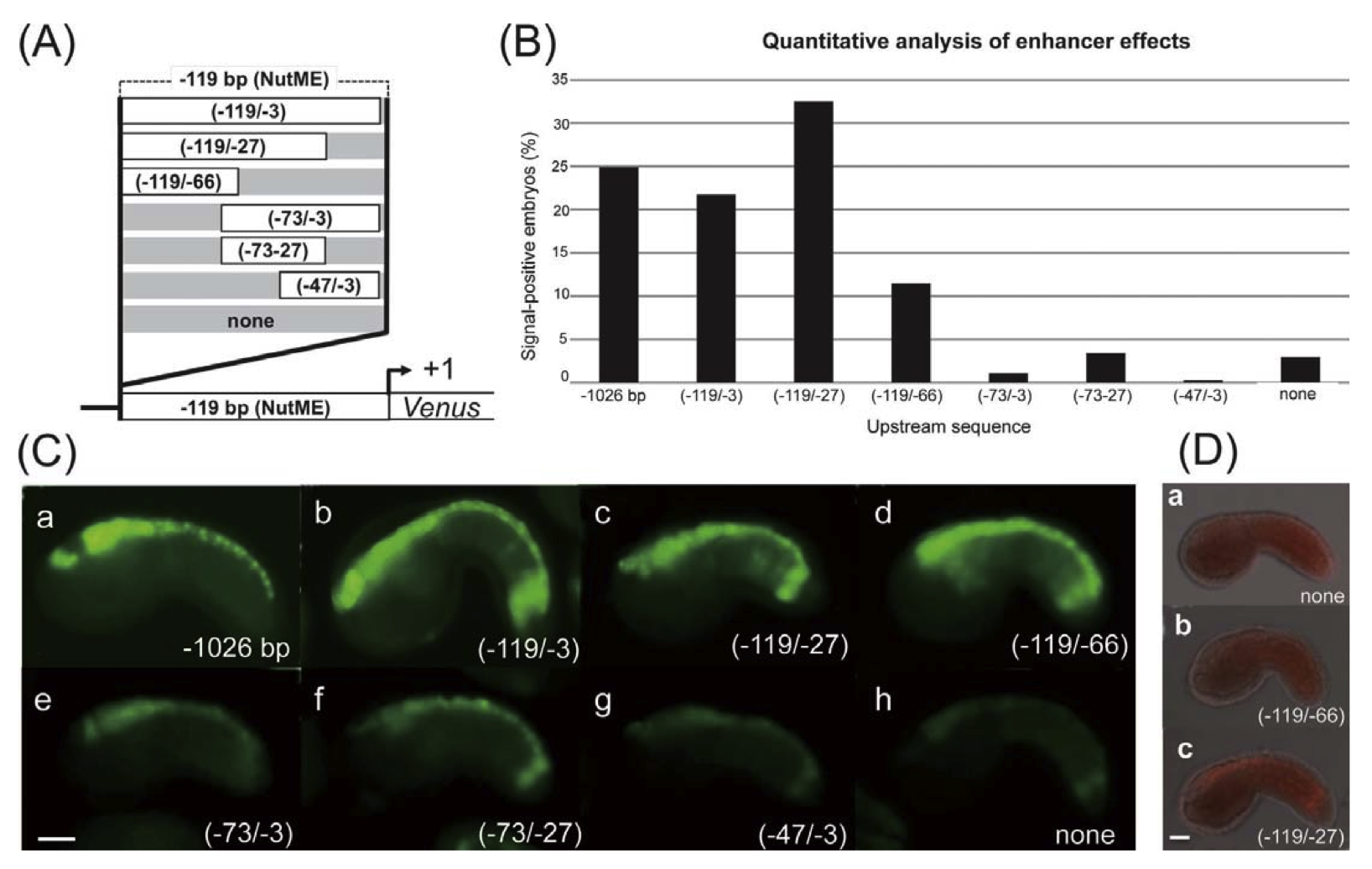
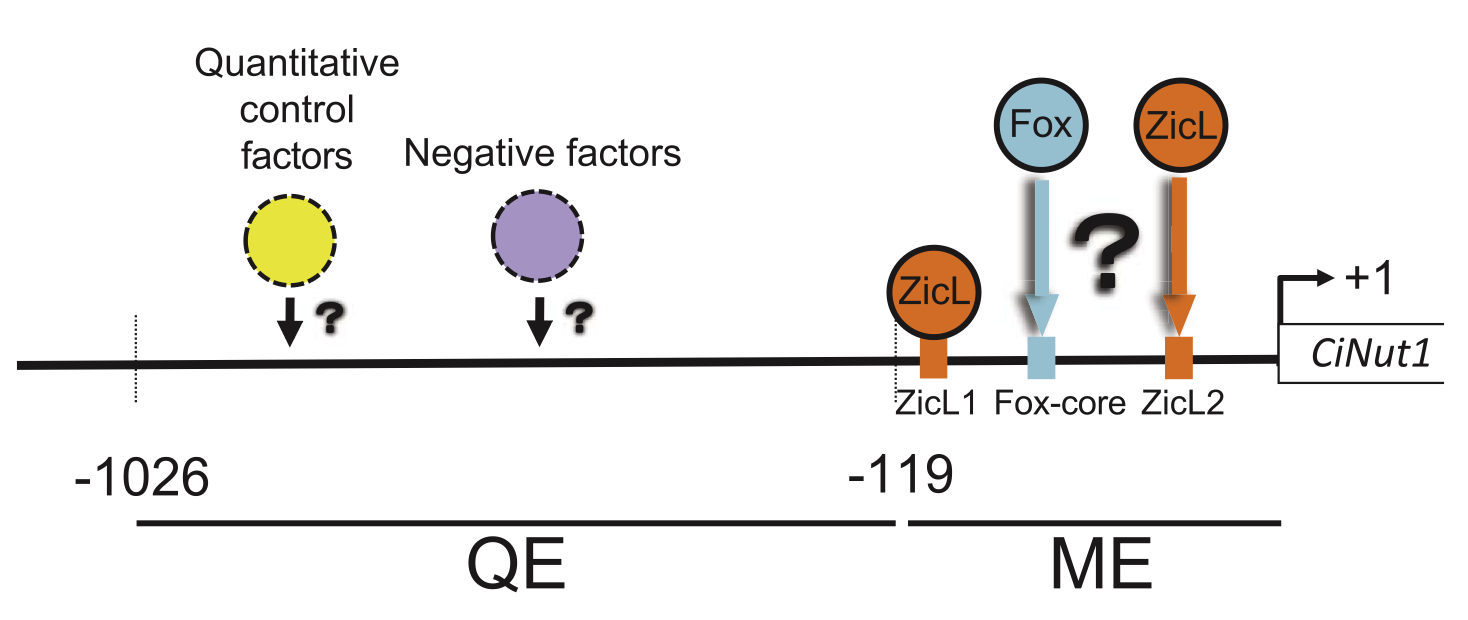
Ascidians provide a powerful model to study conserved principles of neurulation. We aim to identify the molecular mechanisms that drive neural tube morphogenesis and discuss how these processes relate to the evolution of vertebrate development.
6. Cellular stress responses
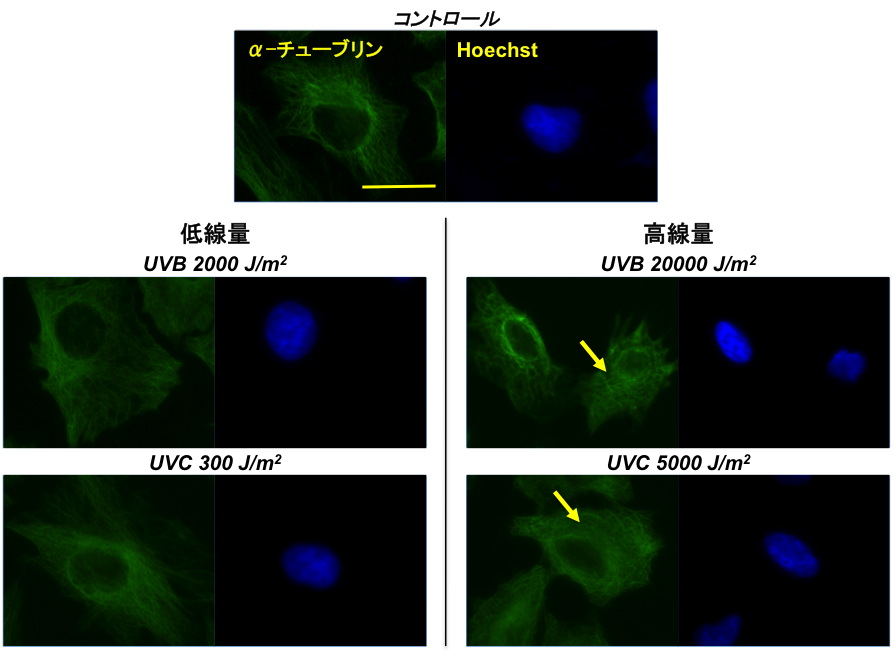
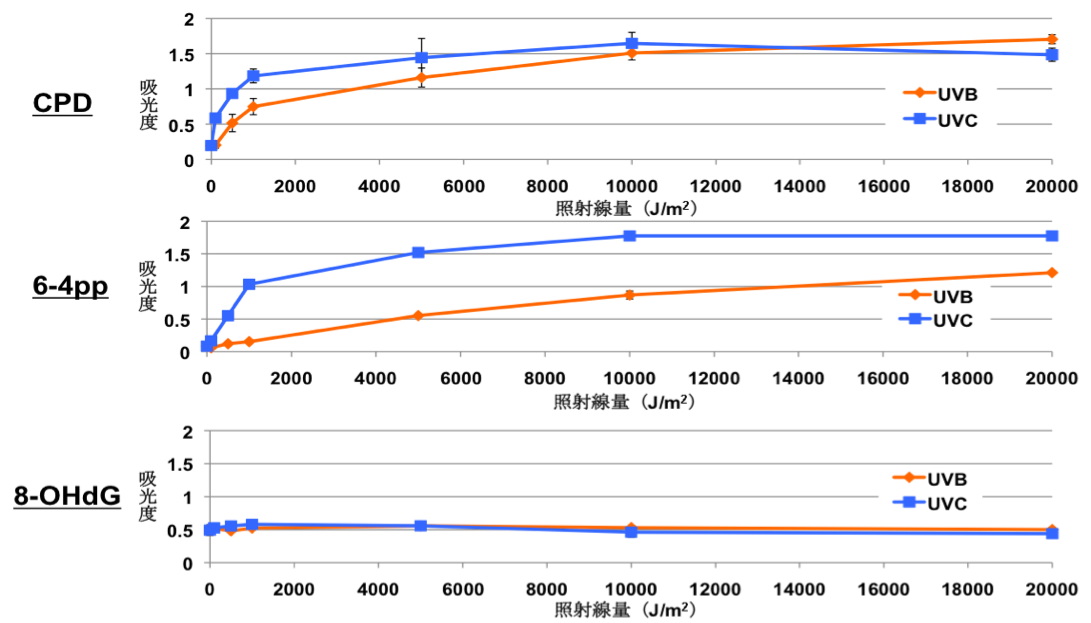
We study how cells sense and respond to stress, including cytoskeletal and signaling changes that determine survival, repair, and functional adaptation.